Where it began — curiosity about machines that learn.

2017 · GyanData · Chennai, India

It started with a question: how can a machine learn from data without being explicitly told what to do? That curiosity led to a structured dive into the mathematical foundations of Machine Learning and Data Science in 2017 — through a rigorous programme by GyanData, an initiative founded by academicians from the Indian Institute of Technology (IIT), Chennai.

Training Summary — GyanData 2017

  • Linear Algebra — Matrices, vectors, eigenvalues & eigenvectors
  • Calculus — Derivatives, gradients & optimization
  • Probability — Distributions & Bayesian statistics
  • Statistics — Parameter estimation, hypothesis testing & regression
  • Machine Learning — Key algorithms & real-world applications

This page tracks the evolution that followed: the projects built, the tools studied, the experiments that failed, and the ones that didn't. It is a living document — updated as the work continues.

First ML implementation in the wild — 2017 to 2019.

Cognitive Network Optimizer · Telecom · Deep Neural Network

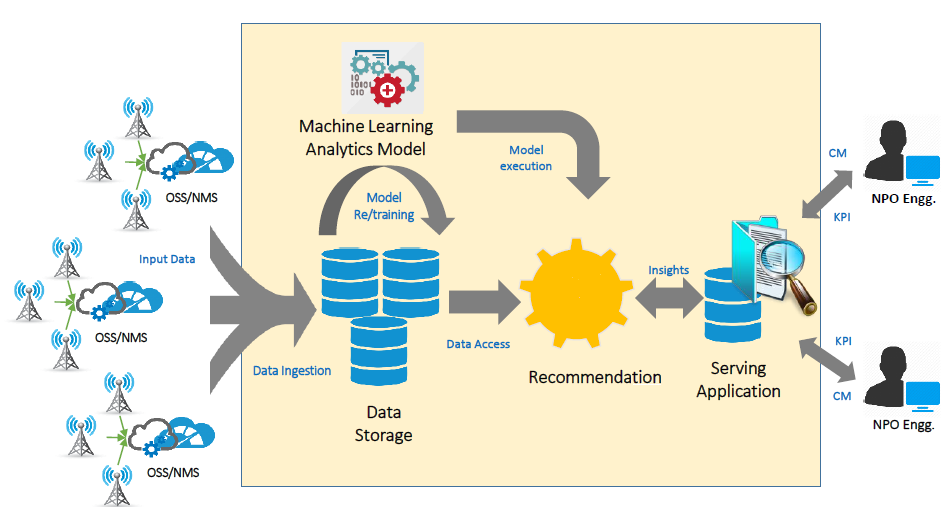
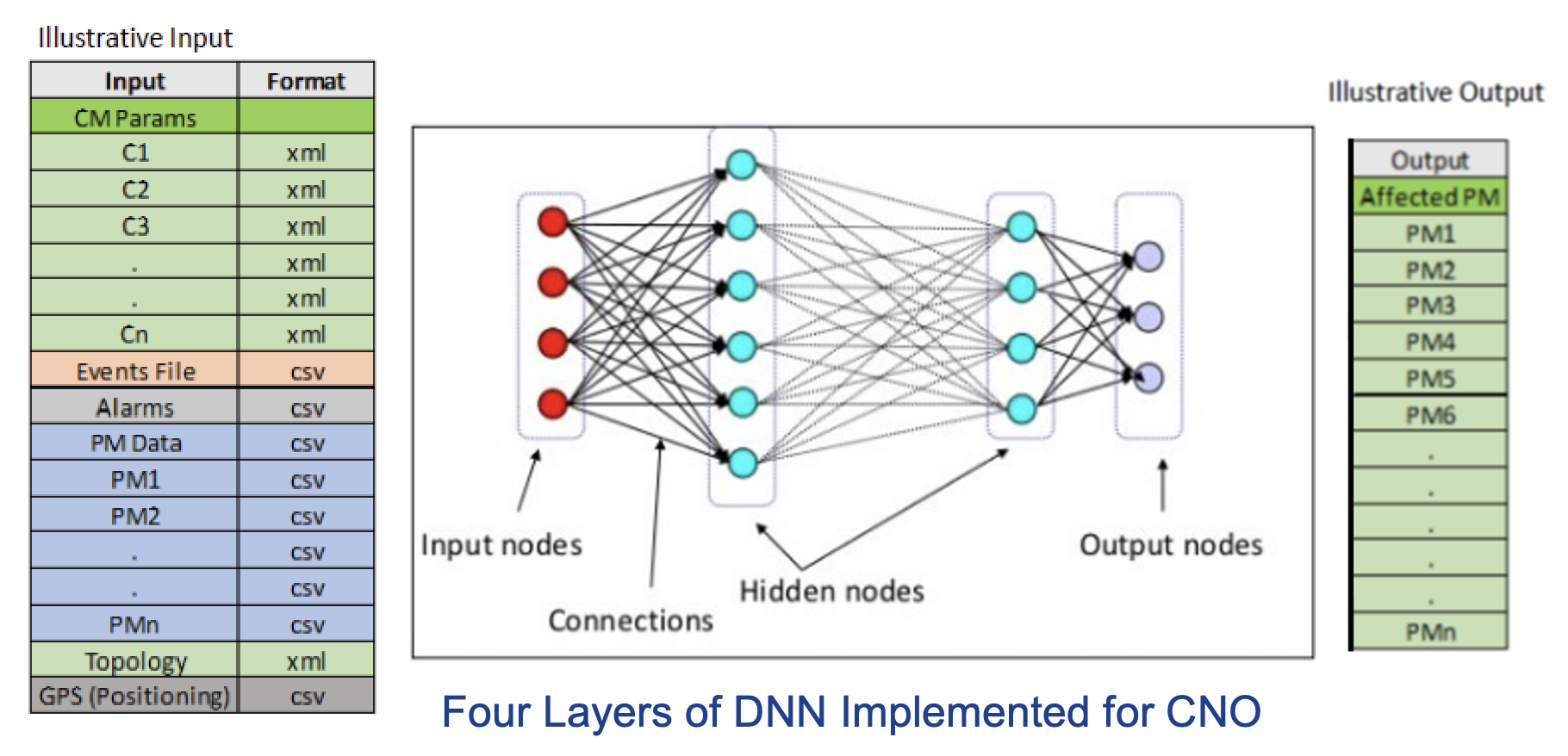
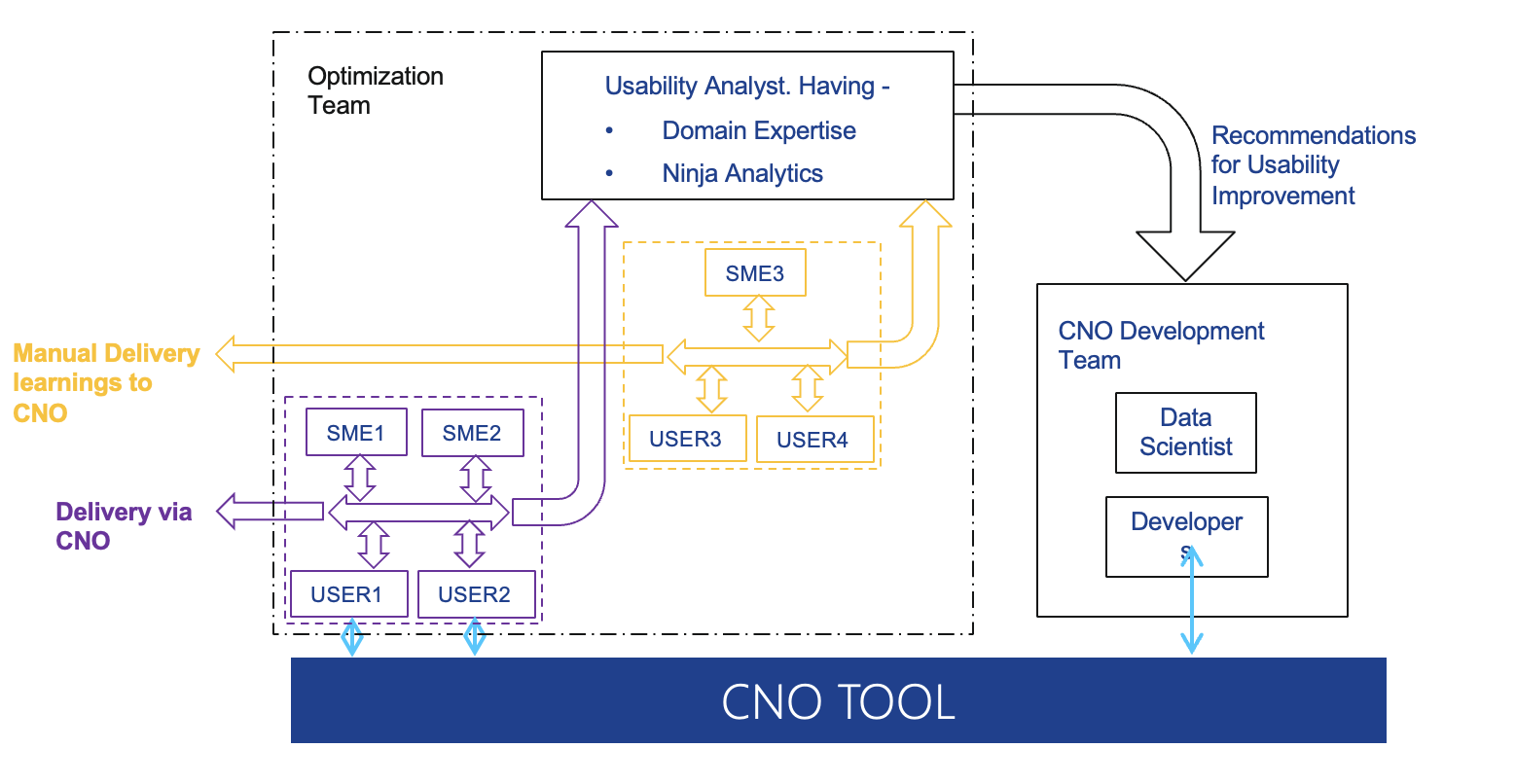
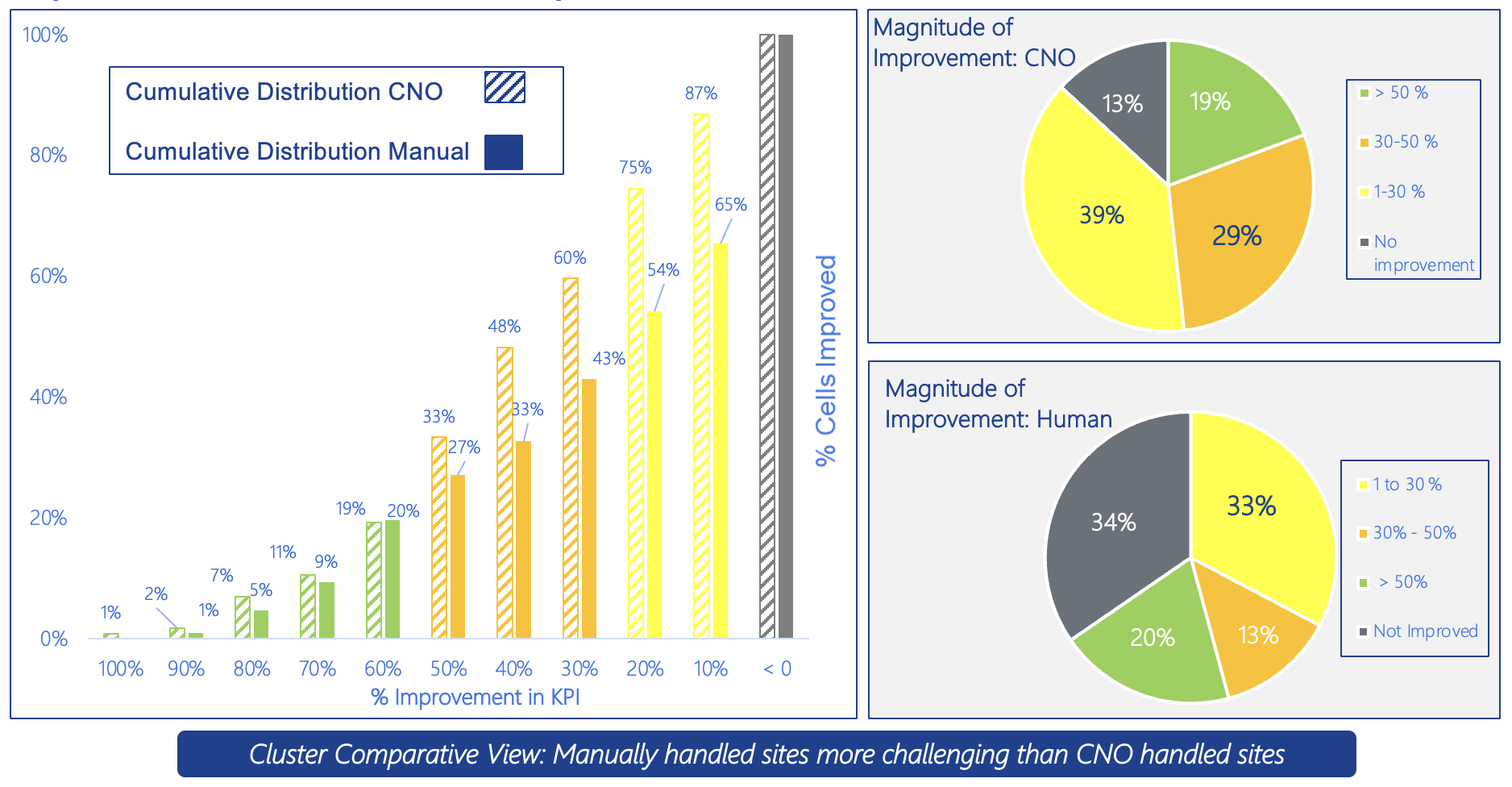
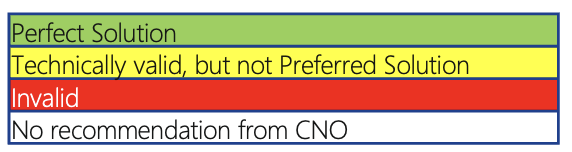
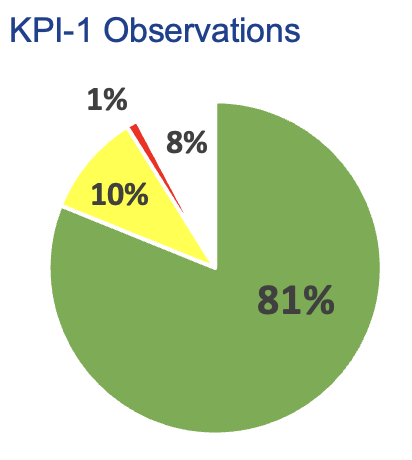
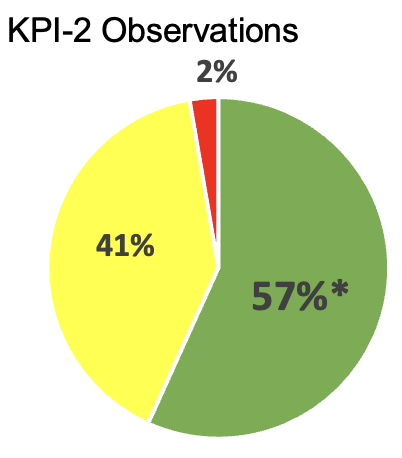
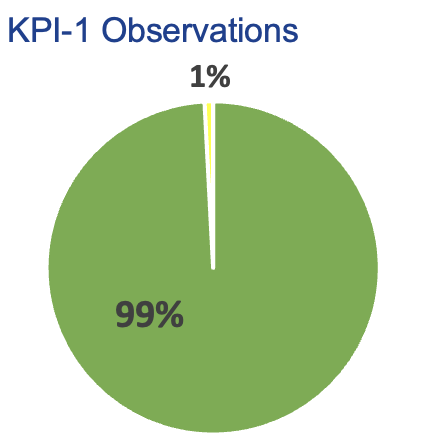
The first real-world application of Machine Learning came from a business problem in telecom network optimisation. The goal: teach a machine to do what network engineers do — analyse performance data, identify issues, and recommend configuration changes. The result was CNO — Cognitive Network Optimizer, a Deep Neural Network (DNN) system that learned from thousands of KPI data points and generated optimisation recommendations at scale.

Executive Outcomes — Man vs Machine

2×
more cells analysed
than human team
66%
less time
1 day vs 4 man-days
82%
recommendation
improvement rate
17%
better quality than
manual recommendations

Going deeper — LLM engineering in 2026.

Generative AI · LLMs · Agents · Fine-tuning

Staying at the frontier means never stopping. Through 2026 I'm building advanced Generative AI products hands-on — experimenting with 20+ frontier and open-source models, mastering RAG, QLoRA fine-tuning, and autonomous Agents, and shipping real applications from inference all the way through to training and production deployment.

Highlights

20+
AI models explored
frontier & open-source
8
real-world projects
built end-to-end
60,000×
code speed-up
Python → optimised C++
RAG
QLoRA & Agents
inference to training
Meet the AIs

AI based different Chat Assistants for different purpose.

Pick one. Ask it anything.

Use him to get AI based global information base
🧠
Pandit
Cloud Intelligence. Thoughtful, well-read, occasionally profound.
Talk to Pandit →

Under the hood — how Ramu and Gotia work. Tap a diagram to enlarge it.

RamuStrict retrieval — answers only from what he was taught
🔍 Tap to enlargeTalk to Ramu →
GotiaPrivate engine — nothing leaves the box
🔍 Tap to enlargePassword-gated · Hiren's use only

Shastrarth — where small models argue.

Self-hosted experiment · 2026

Live Project

शास्त्रार्थ · Shastrarth

Named after the classical scholarly debate between pandits. Two small language models — running on the same CPU-only server that hosts this site — are assigned opposite sides of a statement and argue it across several rounds.

  • Five models to choose from — Llama, Phi, Qwen, Gemma and Mistral
  • Identical sampling settings, so the comparison is between models rather than configurations
  • Every turn measured — tokens, latency, hedging, position drift
  • No GPU: the interesting question is what small models do under real constraints
One debate at a time: the server runs a single debate at once, so starting one is by request. The project pages and measured results are open to everyone.
Visit Shastrarth → See how it works ↓
ShastrarthTwo local models argue; every turn measured
🔍 Tap to enlargeVisit Shastrarth →

Anusandhan — deep research, done locally.

Self-hosted, in build · 2026

In Build

अनुसंधान · Anusandhan

Sanskrit for investigation. Hiren hands it a research brief; the small language models already on the home server plan the searches, sift what the web returns, read the pages, write a cited report and critique it — then file the findings into Gotia's memory so Gotia can answer from them later, and take them out again just as cleanly.

  • Six phases, each on the local model best suited to it — gemma4 plans and writes, phi4-mini triages, qwen3.5 reads and critiques
  • The only thing that leaves the house is the search query and the page fetch — no cloud model in the loop
  • Every claim carries a verbatim quote from its source; the critic is a different model from the writer
  • Unlearnable — one fact, one run, a topic, or everything, removable later and verifiably
Private, and in progress: like Gotia it sits behind Hiren's password. As of September 2026 the pipeline runs end to end and is measured phase by phase; queueing, filing, scheduling and the web page are next.
See how it works ↓
AnusandhanDeep research on a home server — in build
🔍 Tap to enlargeIn build · September 2026

AI at the core of network & business systems.

Live initiatives under my leadership · 2026

Project 1

Business Sub-System for Mobile & ISP Networks

Spanning both B2B and B2C segments, with AI woven through the full delivery lifecycle:

  • Efficient design
  • AI-based coding
  • AI-based quality assurance
  • AI-based performance analysis
  • AI-based systems engineering & predictions
  • Customer behavior analysis, predictions & churn analysis
Confidential: Further details of this project are confidential, and the description here is intentionally restricted.

Project 2

Journey towards Autonomous Network Level 4

A company-wide joint endeavor spanning multiple Rakuten units, driving the network toward full autonomy — automated operations, energy savings, and self-optimization.

Read the Rakuten press release →

Let's connect

Whether it's a project idea, a question, or just a hello — my inbox is always open.